Source Colorful Foam Hibiscus Flower Hairpin for Parties, Weddings, Daily Use
Compare 30 listings of Colorful Foam Hibiscus Flower Hairpin from verified suppliers in China. Buyers can evaluate options based on material, size, and customization services for various occasions including parties, weddings, and daily life. Detailed specifications cover foam and metal types with diverse color choices and OEM availability.
Key considerations
Products List

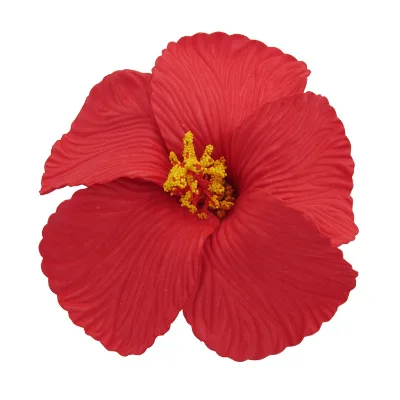
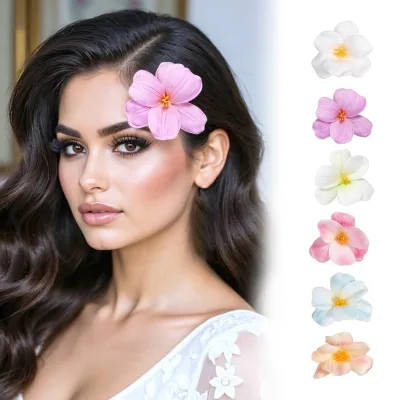
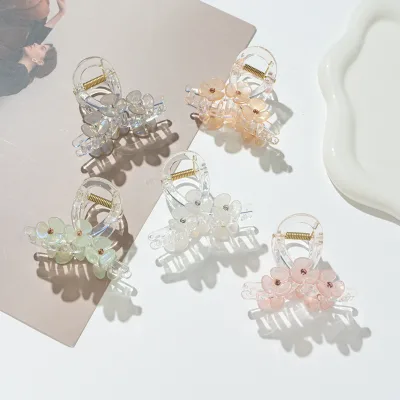
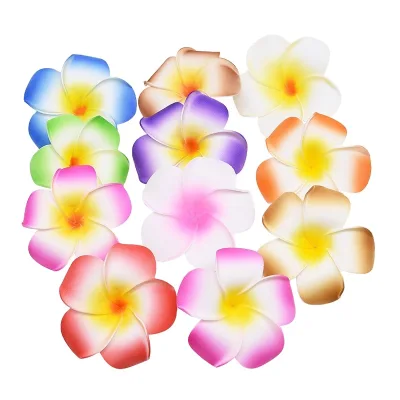
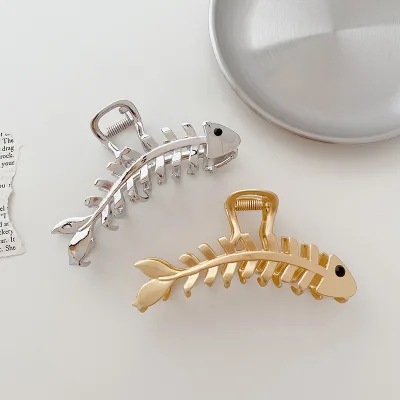

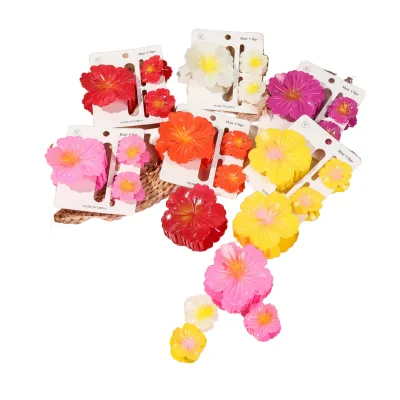
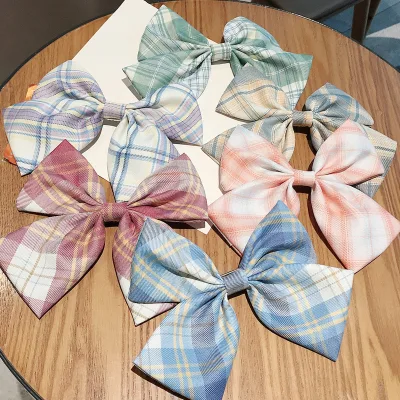


Bridal Wedding Crystal Flower Hair Stick Hair Pin Hair Comb Headpiece Headband
$1.00 - $2.95
MOQ: 100 Pieces


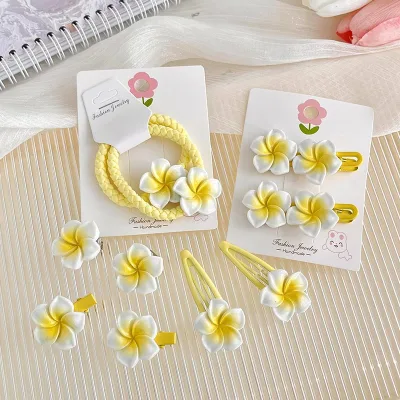
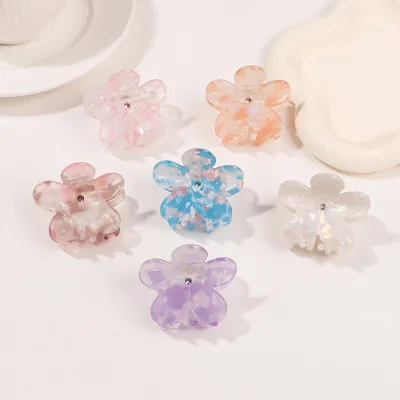


Comprehensive Sourcing Guide
Colorful Foam Hibiscus Flower Hairpin Sourcing Guide
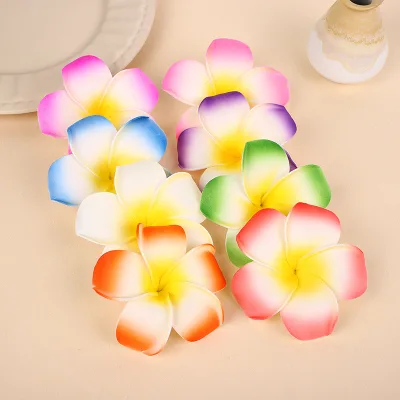
Sourcing colorful foam hibiscus flower hairpins requires a clear understanding of the distinct material properties and aesthetic applications that define this accessory category. Buyers must recognize that these items are primarily decorative, leveraging lightweight foam construction to create vibrant, eye-catching designs suitable for various personal styling needs. The visual appeal of hibiscus motifs, often available in bright hues like yellow, purple, green, red, and hot pink, makes them particularly popular for festive occasions, parties, and daily wear. Procurement teams should focus on suppliers who can consistently reproduce these vivid colors without compromising the structural integrity of the foam elements.
The procurement landscape for these hairpins is characterized by a wide variety of listing signals, including diverse color codes and specific model numbers such as WBCRFJ-091. Buyers will encounter products labeled under generic terms like "Women Hair Clips" or specific keywords like "Orchid Hair Clip," indicating a need for precise keyword matching during supplier searches. The observed market includes items with single package sizes around 14x10x2 cm and weights near 6g, suggesting a standardized packaging approach for small, lightweight accessories. Understanding these listing variations helps buyers filter through noise and identify suppliers who specialize in foam-based floral accessories rather than metal or plastic alternatives.
Product Scope and Observed Listing Signals
The product scope for foam hibiscus hairpins encompasses a broad range of decorative applications, primarily targeting women and girls for daily use, weddings, and holiday celebrations. Listings frequently highlight features such as "Decorate" and "Fashion," emphasizing the item's role as a stylish accessory rather than a functional hair tool. The observed color palette is extensive, ranging from standard primary colors to specific shades like beige, white, orange, sky blue, and black variants. Buyers should note that some suppliers offer customization options, allowing for tailored color schemes that align with specific brand identities or seasonal trends, which is crucial for retailers looking to differentiate their inventory.
Observed listing signals also reveal significant variation in minimum order quantities (MOQ) and packaging methods, which directly impact procurement strategy. While some listings indicate an MOQ of just 10 pieces, others require orders of 1000 pieces, reflecting the flexibility of different manufacturing setups. Packaging is typically described as simple opp bags, which is cost-effective for small items but requires careful handling to prevent damage during transit. Additionally, the presence of OEM/ODM services suggests that buyers can request custom designs or branding, provided they meet the supplier's mold-making and sample-making capabilities. This flexibility allows for both small-batch testing and large-scale production runs.
Technical Specifications to Verify
When verifying technical specifications, buyers must prioritize the material composition, as foam is the primary component for hibiscus flower elements, while metal may be used for the clip mechanism. It is essential to confirm whether the metal type is iron or stainless steel, as this affects durability and resistance to corrosion. The size of the hairpin is another critical specification, with observed dimensions ranging from 3cm to 100cm in length, though typical decorative clips are much smaller. Buyers should request detailed dimensional data to ensure the product fits their target market's preferences, as oversized or undersized items may not meet customer expectations for proportion and style.
Packaging and weight specifications are equally important for logistics planning and cost calculation. The single gross weight of approximately 0.020 kg per item indicates a very lightweight product, which can reduce shipping costs but may require careful handling to avoid loss or damage. Buyers should verify the carton specifications, such as 5000 pieces per carton with dimensions of 30x25x20cm, to optimize container space and freight efficiency. Additionally, the lead time for production, typically ranging from 7 to 15 days, should be factored into inventory planning to ensure timely delivery for seasonal peaks or promotional events.
Compliance and Safety Documentation
Compliance and safety documentation for foam hairpins should focus on material safety and chemical restrictions, particularly if the products are marketed towards children or used in regions with strict regulatory standards. Buyers should inquire about the coating process, as some suppliers mention eco-friendly coatings, which can be a significant selling point for environmentally conscious consumers. It is crucial to verify that the foam and any adhesives used do not contain harmful substances such as phthalates or heavy metals, which are often regulated in toy and accessory categories. Requesting material safety data sheets (MSDS) or test reports from accredited laboratories can provide assurance that the products meet international safety standards.
While specific certifications like ISO 9000 are mentioned in background contexts, buyers should not assume that all suppliers hold these certifications without verification. Instead, they should ask for proof of quality management systems and any relevant product-specific certifications. For hair accessories, compliance with flammability standards and small part warnings may also be relevant, depending on the target age group. Buyers should ensure that their suppliers are transparent about their compliance efforts and can provide documentation upon request, as this reduces the risk of regulatory issues and enhances brand credibility in the marketplace.
Cost Drivers and Commercial Terms
Cost drivers for colorful foam hibiscus hairpins include the complexity of the design, the volume of production, and the customization level requested. Simple designs with standard colors and packaging will generally have lower unit costs, while custom molds, unique color matching, or intricate floral arrangements will increase expenses. The MOQ is a significant factor, as higher volumes often lead to better pricing due to economies of scale. Buyers should negotiate based on their expected order volume and consider the trade-off between lower MOQs and higher unit prices, especially for initial market testing or limited edition releases.
Commercial terms such as payment methods, shipping responsibilities, and return policies should be clearly defined in the purchase agreement. Buyers should verify the delivery time, which typically ranges from 7 to 15 days, and factor this into their supply chain planning. It is also important to clarify who is responsible for shipping costs and insurance, as well as the process for handling defective items or delays. Suppliers offering OEM/ODM services may have additional terms related to mold ownership and sample fees, which should be understood upfront to avoid unexpected costs. Clear communication of these terms helps prevent disputes and ensures a smooth procurement process.
Supplier Qualification and Quality Control
Supplier qualification for foam hairpin manufacturers should involve a thorough assessment of their production capabilities, quality control processes, and past performance. Buyers should verify the supplier's location, with many manufacturers based in Zhejiang or Dong Guan, China, regions known for their accessory manufacturing expertise. It is advisable to request samples to evaluate the quality of the foam, the strength of the metal clip, and the overall finish of the product. Suppliers who offer sample-making and mold-making services demonstrate a higher level of flexibility and commitment to meeting specific buyer requirements.
Quality control measures should include regular inspections of raw materials, in-process checks during production, and final random inspections before shipment. Buyers should ask about the supplier's defect rate and their process for handling non-conforming products. Establishing a clear quality agreement that defines acceptable tolerances for color variation, size, and structural integrity is essential. Additionally, buyers should consider conducting factory audits or third-party inspections to ensure that the supplier adheres to ethical labor practices and environmental standards, which can impact brand reputation and long-term sustainability.
Long-Term Procurement Checks
Long-term procurement checks for foam hibiscus hairpins should focus on maintaining consistent quality, managing supplier relationships, and adapting to market trends. Buyers should establish regular communication channels with their suppliers to discuss performance, address any issues promptly, and explore opportunities for new designs or improvements. Monitoring market trends, such as changes in popular colors or styles, can help buyers stay competitive and meet customer demand. Suppliers who are responsive to feedback and willing to innovate are valuable partners for long-term growth.
It is also important to periodically review supplier performance metrics, such as on-time delivery rates, product quality, and responsiveness to inquiries. Buyers should maintain a diversified supplier base to mitigate risks associated with supply chain disruptions or quality issues. Regularly updating product specifications and compliance requirements ensures that the procurement strategy remains aligned with current regulations and customer expectations. By proactively managing these aspects, buyers can build a resilient and efficient supply chain that supports their business objectives and enhances customer satisfaction.
FAQs
What materials are used for these hair clips?
The hair clips are crafted from foam and metal materials. The foam variety features a flower design suitable for daily wear, while the metal options include iron and stainless steel types. These materials ensure durability and comfort for various styling needs.
What is the minimum order quantity for these items?
The minimum order quantity varies by product type. Some foam hair clips require a minimum of 10 pieces, whereas metal hairpins typically have a higher threshold of 1000 pieces. Buyers should check specific product listings to confirm the exact MOQ for their desired item.
Can I customize the packaging for these hair accessories?
Yes, packaging customization is available for these hair accessories. Options include OPP bags for individual items. Additionally, bulk packaging details specify 5000 pieces per carton with defined dimensions. Buyers can request specific packaging solutions to meet their retail or distribution requirements effectively.
Where are these hair clips manufactured?
These hair clips are manufactured in China. Specific production locations include Zhejiang and Dong Guan, Guang Dong. Buyers can source products from these regions, ensuring access to established manufacturing hubs known for producing high-quality fashion hair accessories and metal components for global markets.
What colors are available for the foam hair clips?
A wide range of colors is available for the foam hair clips. Options include yellow, purple, green, red, hot pink, blue, beige, white, orange, sky blue, and pink. This variety allows buyers to select colors that match specific themes or seasonal trends for their customers.
What is the lead time for delivery?
The delivery lead time typically ranges from 7 to 15 days. Some metal hairpin orders may have a slightly faster lead time of 7 to 10 days. Buyers should plan their inventory accordingly, considering these timeframes for production and shipping from the manufacturing locations in China.